
By John Onuche
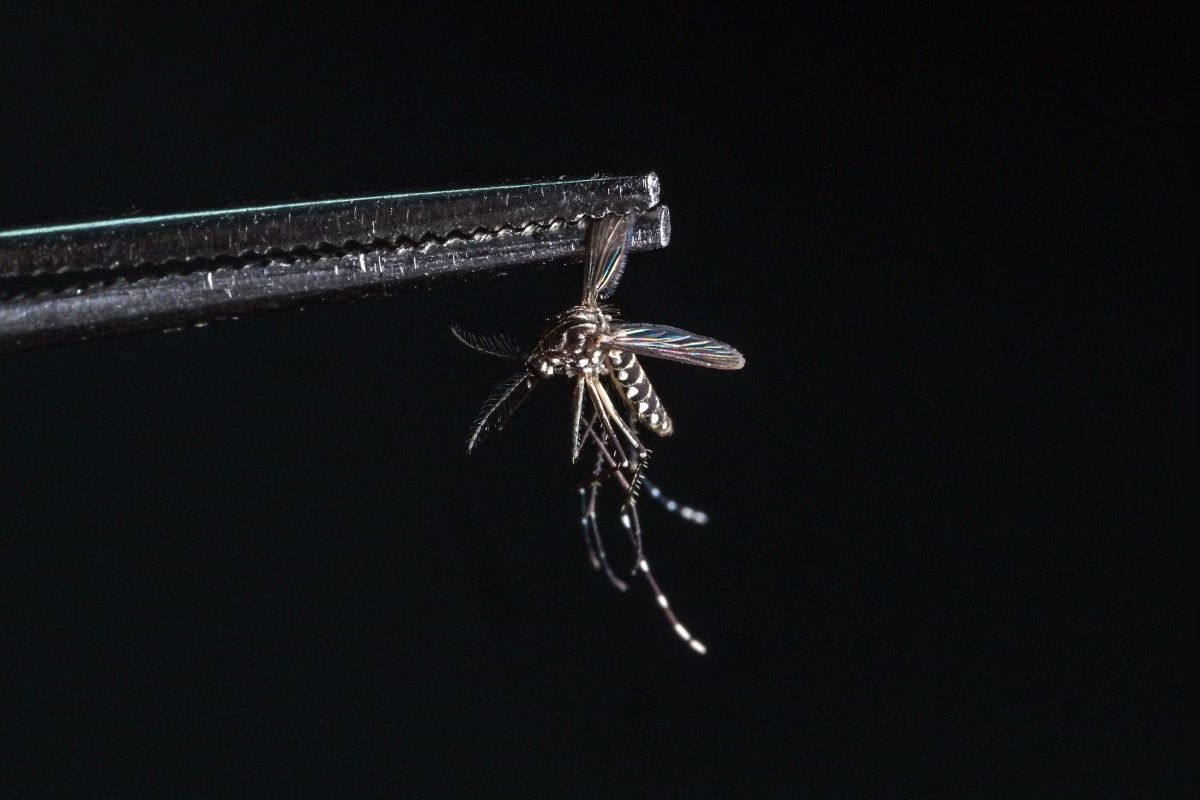
Tiny enough to crush with a finger, mosquitoes remain the world’s deadliest animals, killing more than 600,000 people every year through diseases such as malaria, dengue fever, yellow fever, chikungunya and Zika virus.
According to the World Health Organization, malaria alone caused an estimated 597,000 deaths globally in 2023, with most fatalities recorded in Africa, particularly among children under five years old.
Combined with other mosquito-borne illnesses, experts estimate that mosquitoes are responsible for more than 700,000 deaths worldwide annually.
Now, scientists and public health experts are increasingly debating a once-unthinkable question: should humanity eliminate the most dangerous mosquito species altogether?
Researchers note that only a small fraction of the world’s roughly 3,500 mosquito species transmit diseases to humans, with just a handful responsible for the vast majority of infections.
Vector biologist Hilary Ranson of the Liverpool School of Tropical Medicine said eliminating the deadliest mosquito species could dramatically reduce global deaths and economic losses linked to mosquito-borne diseases.
The debate has intensified as climate change expands mosquito habitats into new regions, raising fears of wider outbreaks and future global health emergencies.
Several scientific projects are already exploring ways to suppress mosquito populations or make them unable to spread diseases.
One approach involves genetically modified mosquitoes designed to produce infertile offspring, while another uses Wolbachia bacteria to reduce mosquitoes’ ability to transmit viruses such as dengue fever.
In Brazil, the release of Wolbachia-infected mosquitoes reportedly reduced dengue cases by as much as 89 per cent in some communities, according to researchers involved in the project.
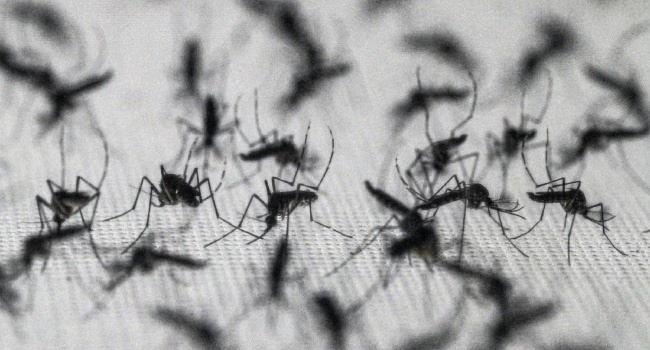
Health experts argue that eliminating disease-carrying mosquitoes could save millions of lives over time, reduce healthcare costs and ease the burden on countries heavily affected by malaria and other tropical diseases.
However, scientists also warn that eradication efforts must be handled carefully to avoid unintended environmental consequences, since mosquitoes serve as food for fish, birds and other insects within ecosystems.
The World Health Organization and other global health bodies continue to advocate a broader strategy combining mosquito control with improved vaccines, better healthcare access, stronger disease surveillance and improved housing conditions.
As rising temperatures continue to fuel the spread of mosquito-borne diseases, experts say reducing — or even eliminating — the deadliest mosquito species may become an essential step in protecting global public health.
