
By CHARLES CHIJIOKE
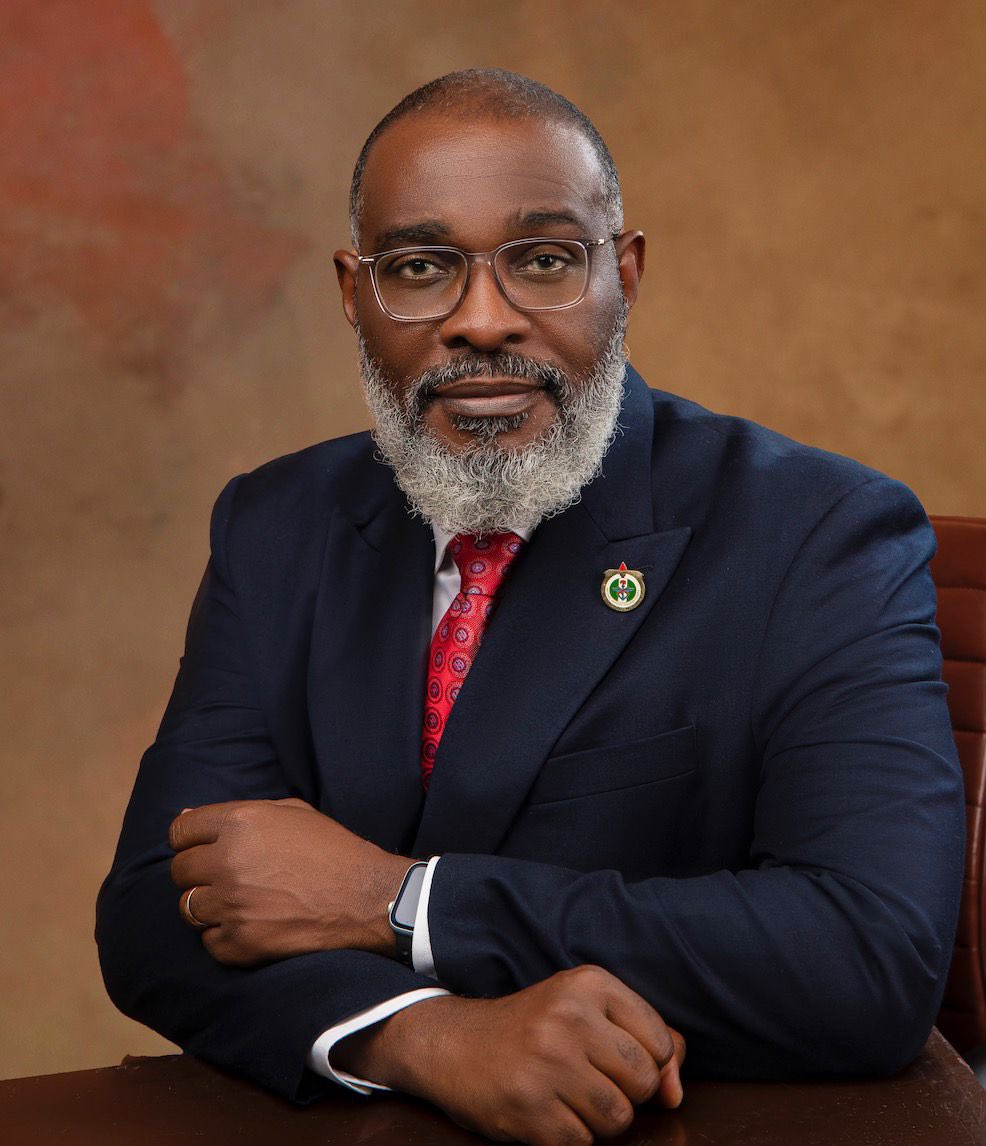
President Bola Tinubu has appointed retired Major General Adeyinka A. Fadewa as Special Adviser on Homeland Security, in a move seen as part of renewed efforts by the Federal Government to tighten internal security coordination and strengthen intelligence-led operations across the country.
The appointment was announced in a statement issued on Sunday by the Office of the Secretary to the Government of the Federation (OSGF).
According to the statement, the appointment was approved “in recognition of his exceptional record of service, strategic expertise, and outstanding contributions to Nigeria’s national security architecture.”
The circular, signed by Secretary to the Government of the Federation, Senator George Akume, and issued through the Permanent Secretary, General Services Office, Dr. Ibrahim Abubakar Kana, said the development reflects the Tinubu administration’s determination to reinforce Nigeria’s internal security framework amid growing security concerns nationwide.
The Presidency noted that Fadewa’s new role would focus on improving homeland security coordination, enhancing intelligence-driven responses, and deepening cooperation among security and intelligence agencies confronting terrorism, banditry, kidnapping, and other emerging threats.
Major General Fadewa retired after more than three decades in military and intelligence service, during which he handled strategic security operations, counter-terrorism initiatives, intelligence coordination, and international security diplomacy.
A major highlight of his career, according to the statement, was his tenure as Principal General Staff Officer to the National Security Adviser between 2015 and 2021 at the Office of the National Security Adviser (ONSA), where he reportedly played a central role in restructuring Nigeria’s intelligence-sharing architecture.
The statement added that he “spearheaded the establishment of the Intelligence Fusion Centre (IFC) at ONSA,” creating a platform that integrated intelligence operations among the Defence Intelligence Agency (DIA), National Intelligence Agency (NIA), Department of State Services (DSS), the Nigeria Police Force, and the Armed Forces.
Presidential aides believe the appointment could strengthen coordination among Nigeria’s often fragmented security institutions, particularly at a time when the government faces mounting pressure over insecurity in parts of the North-West, North-Central, and South-East regions.
Security analysts have repeatedly argued that weak intelligence-sharing and inter-agency rivalry have undermined Nigeria’s counter-terrorism and internal security operations over the years. Fadewa’s background in intelligence fusion and strategic coordination is therefore expected to play a significant role in ongoing security reforms under the Tinubu administration.
Following his retirement from active service, Fadewa served as a Senior Research Fellow at the Nigerian Army Resource Centre in Abuja, where he focused on policing reforms, civil-security relations, and national security policy development.
The Presidency also referenced his monograph titled “Policing and National Security in Nigeria,” describing it as a practical contribution toward improving collaboration between civil authorities and security institutions.
President Tinubu expressed confidence that the retired General would “further enhance the administration’s efforts toward achieving a safer and more secure Nigeria through improved coordination of homeland security initiatives, intelligence integration, and proactive risk management.”
The President also urged him to deploy his “wealth of experience, professionalism, and strategic insight” in advancing the administration’s Renewed Hope Agenda.
