
By CHARLES CHIJIOKE
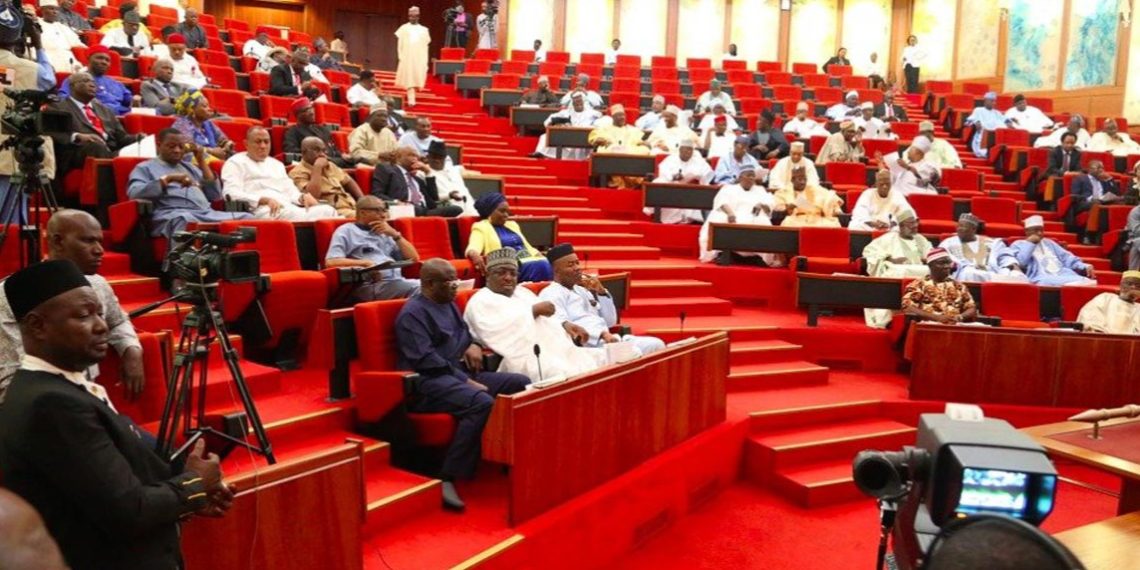
President of the Senate, Godswill Akpabio, has commended Nigerian workers for their resilience, dedication, and patriotism in the face of persistent economic challenges, as the country marks International Workers’ Day 2026.
In a May Day message released on Thursday, the Senate President described workers as the backbone of Nigeria’s democracy and a driving force behind the nation’s economy, acknowledging their sacrifices across sectors.
He said, “workers are the true heroes of Nigeria’s democracy and the engine of the economy.” Akpabio noted that the National Assembly of Nigeria, particularly the 10th Senate, remains focused on enhancing worker welfare through legislative and policy measures. He cited the recent passage of the National Minimum Wage Act, alongside ongoing welfare initiatives, as clear signs of that commitment.
According to him, “the 10th National Assembly remains committed to improving worker welfare through a living wage, safer workplaces, pension reforms, and job creation.”
He also called on employers in both public and private sectors to prioritise the well-being of their workforce, stressing that productivity and national growth are closely tied to how workers are treated.
“A motivated workforce is key to national productivity and prosperity,” he stated.
The Senate President further pledged sustained collaboration with labour unions to ensure that workers’ interests are adequately represented in policymaking.
He added, “we will continue partnering with labour unions to ensure workers’ voices are heard in policymaking,” vowing that the Senate would not relent until every Nigerian worker can face the future “with hope, dignity, and confidence.”
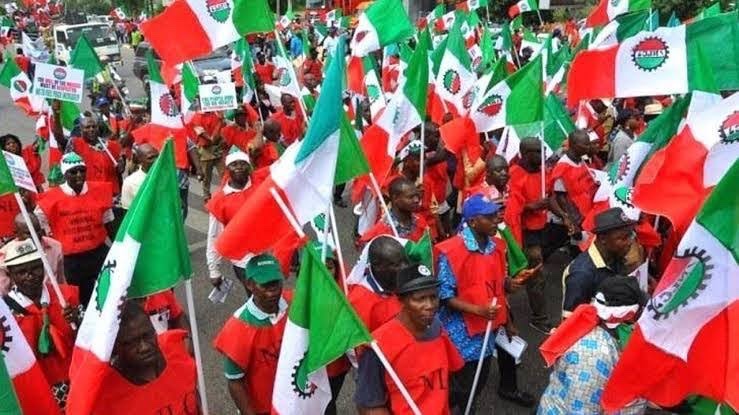
The statement comes amid ongoing concerns over inflation, cost of living pressures, and calls by labour groups for improved wages and working conditions. While the new minimum wage framework is expected to ease some burdens, analysts say its implementation and enforcement will be critical to achieving meaningful impact.
Labour leaders have consistently urged the government to match policy pronouncements with tangible improvements, warning that failure to do so could heighten industrial tensions. Observers note that sustained engagement between lawmakers, employers, and unions may shape the trajectory of labour relations and economic stability in the coming months.
Akpabio’s message aligns with broader national discussions on labour reforms and economic recovery, as Nigeria seeks to balance fiscal constraints with growing demands for social protection and inclusive growth.
