

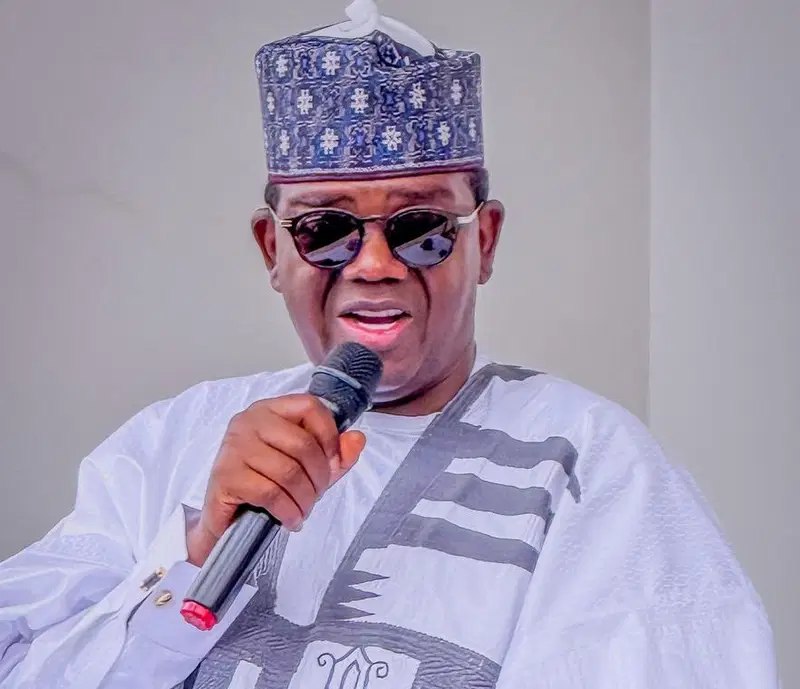
A fresh controversy has erupted over Nigeria’s worsening security crisis after a United States lawmaker, Kimberly Daniels, alleged that the Minister of State for Defence, Bello Matawalle, attempted to suppress international scrutiny over ongoing killings in parts of the country.
Speaking during a Facebook live broadcast, Daniels claimed the minister and his associates tried to influence American officials through coordinated messaging after she raised alarm about what she described as targeted attacks on Christians in Nigeria.
Daniels said that following her April 14 report, she came under pressure from individuals she linked to Matawalle, including what she described as attempts to discredit her findings and “buy support” from US-based elected officials.
According to her, an unnamed American lawmaker was allegedly “persuaded” to publicly counter her position and defend Nigeria’s defence leadership.
She further claimed to have received evidence of communications, including a prepared statement and promotional materials, which she said were aimed at dividing US officials. “I am speaking on behalf of people who say they are under attack,” Daniels stated, insisting her intervention was a call for investigation rather than outright accusation.
She also dismissed any attempt to intimidate her, stressing her constitutional right to speak on global human rights issues.
Her report had pointed to escalating violence across Plateau, Kaduna, and Nasarawa states, particularly during the Easter period, highlighting what she described as a widening gap between government assurances and realities on the ground.
It also questioned the continued leadership of the defence ministry, citing “credibility and integrity concerns,” and recommended a review of Nigeria’s security leadership, including a possible redeployment of Matawalle and a transparent investigation into the allegations.
The claims strike at the heart of Nigeria’s international image and raise concerns about whether the country’s security challenges are being adequately addressed or managed politically. Allegations of foreign lobbying or influence, if proven, could damage diplomatic trust and complicate Nigeria’s relations with key partners like the United States.
Reactions are likely to be sharply divided. Critics of the government may see Daniels’ claims as validation of long-standing concerns about insecurity and lack of accountability, while supporters of the administration may dismiss the allegations as exaggerated or politically motivated.
Social media discourse is expected to amplify both sides, further polarising public opinion.
For Nigerians, especially those in affected regions, the issue goes beyond politics, it touches on daily safety and trust in government. The mention of Plateau, Kaduna, and Nasarawa resonates strongly with communities that have experienced repeated violence and are demanding more decisive action.
If the allegations gain traction internationally, Nigeria could face increased scrutiny from foreign governments and human rights organisations.
Domestically, it may intensify calls for a reshuffle within the defence leadership or trigger legislative inquiries. At the very least, the controversy adds pressure on the federal government to demonstrate transparency and tangible progress in tackling insecurity.
