
BY CHIJIOKE CHARLES
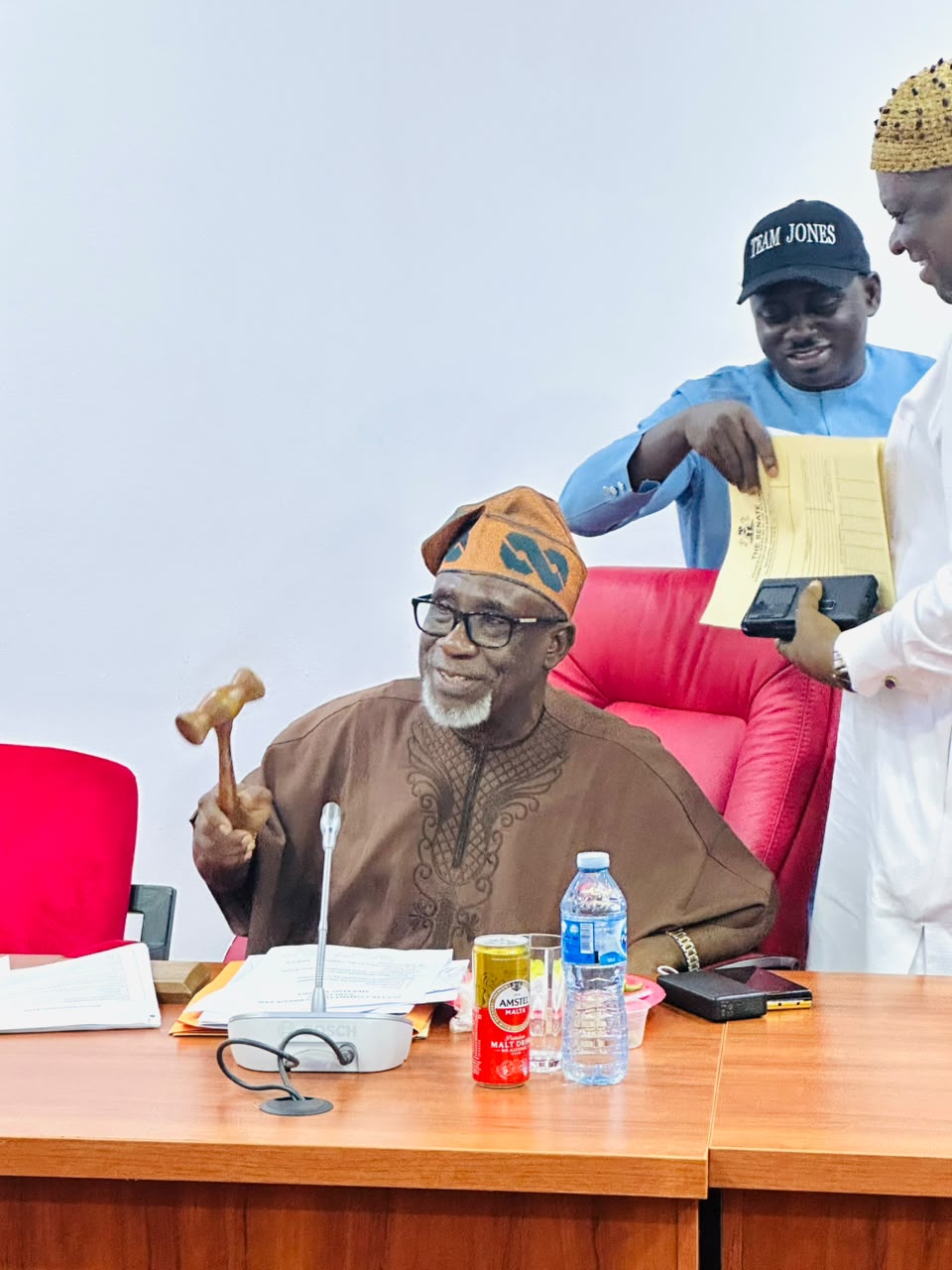
Chairman of the Senate Committee on Drugs and Narcotics, and the senator representing Edo Central, Senator Joseph Ikpea, has strongly opposed the rehabilitation and reintegration of repentant Boko Haram members into society, insisting that individuals involved in terrorism should face the full weight of the law rather than be returned to civilian life.
Speaking with journalists after the inaugural meeting of the Senate Committee on Drugs and Narcotics at the National Assembly on Wednesday, Ikpea described the policy of reintegrating former insurgents as “unreasonable,” arguing that it undermines the sacrifices of security personnel and victims of terrorism.
According to him, insurgents responsible for the killing of innocent Nigerians and members of the armed forces should not be rehabilitated or reintegrated into society.
“I don’t understand the rationale behind reintegrating Boko Haram members into society. Our gallant soldiers have lost their lives protecting the country from these terrorists. If someone has committed acts of terrorism and is apprehended, such a person should face the consequences of the law,” he said.
The senator maintained that Boko Haram and other terrorist groups remain enemies of every Nigerian, irrespective of religion or ethnicity, noting that they target Christians, Muslims, civilians and security personnel alike.
Ikpea also alleged that some recent kidnapping incidents across the country could have political undertones, suggesting that certain actors may be exploiting insecurity to undermine the government ahead of future elections.
On the issue of drug control, the committee chairman disclosed that the Senate Committee on Drugs and Narcotics would review the proposed bill seeking to impose the death penalty for drug-related offences after a thorough examination of the legislation.
He explained that he was not a member of the Senate when the bill was previously debated and therefore could not comment on its current status.
“I have no idea about that bill because I was not a senator when it came up on the floor. My committee will look at it and advise accordingly. For now, I cannot say much about it,” he said.
Ikpea noted that the committee’s inaugural meeting was convened to outline its legislative agenda and oversight responsibilities.
He said one of its immediate priorities would be strengthening oversight of the National Drug Law Enforcement Agency (NDLEA) and inspecting rehabilitation centres across the country to ensure they comply with approved operational standards.
“We are planning to visit rehabilitation centres to ensure they meet the required standards. You cannot just establish a rehabilitation centre without complying with the necessary regulations. We want to ensure they are operating properly and delivering quality services,” he said.
Speaking on the proposed death penalty for drug traffickers, the senator declined to take a firm position, saying punishment for offences should be proportionate to the crimes committed and that the final decision rests with the National Assembly and the Federal Government.
“Every offence should attract punishment commensurate with its severity. Different countries have different laws on drug trafficking. Whatever the Senate and the Federal Government eventually decide will be respected,” he stated.
Ikpea further raised concern over the growing prevalence of drug abuse among Nigerian youths, warning that the trend poses a serious threat to the nation’s future.
Citing estimates that about 14 million Nigerians are affected by drug abuse, he advocated the introduction of drug education into school curricula from the primary level to discourage substance abuse from an early age.
“The youth are the leaders of tomorrow. If we fail to educate them on the dangers of drug abuse, the nation’s future will be in jeopardy. We are looking at introducing drug education into school curricula so children understand the consequences from an early age,” he said.
