

By CHIJIOKE CHARLES
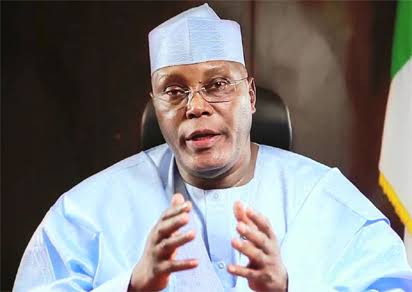
As Nigeria gradually shifts its gaze toward the 2027 general elections, conversations around leadership, credibility, and political renewal are gaining urgency. Among the prominent figures in opposition politics, Atiku Abubakar remains a towering presence.
However, there is a growing argument that the moment calls not for continuity, but for transition. Atiku’s long-standing ambition to lead Nigeria is well documented. Yet, in today’s political climate, longevity is no longer synonymous with suitability. Age, while often associated with experience, can also raise concerns about energy, adaptability, and alignment with a youthful population. Nigeria is a country where the median age hovers around 18, and many young voters are increasingly demanding leaders who reflect their aspirations and urgency.
In contrast, Peter Obi and Rabiu Musa Kwankwaso represent a different political proposition—one rooted in recent executive performance and grassroots-driven movements. Both men served as governors and left behind records that continue to shape their reputations.
Obi, as former governor of Anambra State, is often praised for fiscal prudence and institutional reforms. Kwankwaso, during his tenure in Kano State, built a strong legacy in education and infrastructure development.
Beyond their records in office, both politicians command highly mobilized and loyal followings. The Obidient movement that surged during the 2023 elections demonstrated the power of youth-driven political engagement, while Kwankwaso’s Kwankwasiyya movement remains one of the most structured grassroots networks in northern Nigeria.
These movements are not merely political fan bases, they represent evolving political consciousness among Nigerians seeking alternatives to traditional power structures.
Atiku, on the other hand, continues to grapple with longstanding allegations of corruption dating back to his time as vice president.
While he has consistently denied wrongdoing, the persistence of these narratives has affected public perception. In a political era increasingly defined by accountability and transparency, such baggage can become a significant electoral liability.
This is not to dismiss Atiku’s contributions to Nigeria’s democratic journey. His role in the formation of major political coalitions and his resilience in contesting elections have shaped the opposition landscape. However, leadership also requires knowing when to pass the baton.
The 2027 election presents an opportunity for opposition forces to rethink strategy and present a ticket that resonates more strongly with Nigerians’ current realities. A unified front led by figures like Obi and Kwankwaso could potentially harness both southern and northern support bases, while also appealing to younger voters who are eager for change.
Ultimately, the question is not whether Atiku Abubakar has earned his place in Nigeria’s political history—he undoubtedly has. The question is whether he remains the most strategic choice for the future. Increasingly, the answer from many quarters appears to be no.
If the goal is to build a competitive and forward-looking opposition capable of challenging the status quo, then stepping aside may not be a sign of weakness, but an act of statesmanship.
If you want, I can make it sharper, more provocative, or tailor it for a newspaper, blog, or social media audience.
