

BY CHIJIOKE CHARLES
Iran has declared that the United States is no longer in a position to dictate policies to independent nations, escalating rhetoric as negotiations continue over reopening the strategic Strait of Hormuz following a tense conflict involving Washington and Israel.
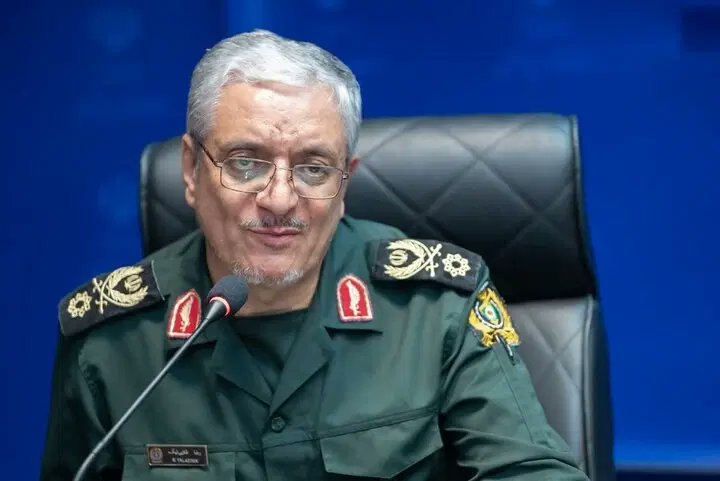
Speaking on Tuesday, Iran’s defence ministry spokesman, Reza Talaei-Nik, said: “The United States is no longer in a position to dictate its policy to independent nations,” adding that Washington would “accept that it must abandon its illegal and irrational demands.”
The statement comes as the US weighs a fresh proposal from Tehran aimed at unblocking the Strait of Hormuz, a critical global energy corridor that Iran has effectively sealed since the early stages of the war. The closure sent shockwaves through international oil and gas markets, underscoring the waterway’s strategic importance to global energy supply.
Although a ceasefire has temporarily halted hostilities between Iran, the United States and Israel, negotiations toward a permanent resolution remain inconclusive. The proposal currently under consideration in Washington is expected to reopen the strait while broader diplomatic talks continue over ending the conflict.
Talaei-Nik, who spoke ahead of a meeting of the Shanghai Cooperation Organisation defence ministers, also signalled Iran’s willingness to deepen military cooperation with allied nations. According to him, Iran is “ready to share its defensive military capabilities with independent countries, especially the member states” of the bloc.
The Strait of Hormuz remains one of the most strategically sensitive chokepoints in the world, handling a significant portion of global crude oil shipments. Any prolonged disruption threatens to spike energy prices, strain fragile economies, and intensify geopolitical rivalries, particularly between Western powers and emerging alliances in Asia and the Middle East.
Iran’s latest stance reflects a broader shift in global power dynamics, as countries increasingly resist unilateral influence from major powers. Analysts warn that failure to reach a lasting agreement could prolong instability in the Gulf region, disrupt energy markets further, and complicate already fragile diplomatic relations between Tehran and Washington.
.
