
BY CHARLES CHIJIOKE
The Federal Government has issued a fresh warning against any move to restore petrol subsidy, saying such a decision could undermine Nigeria’s fiscal gains, weaken investor confidence and plunge the country back into the economic pressures that characterised the pre-reform era.
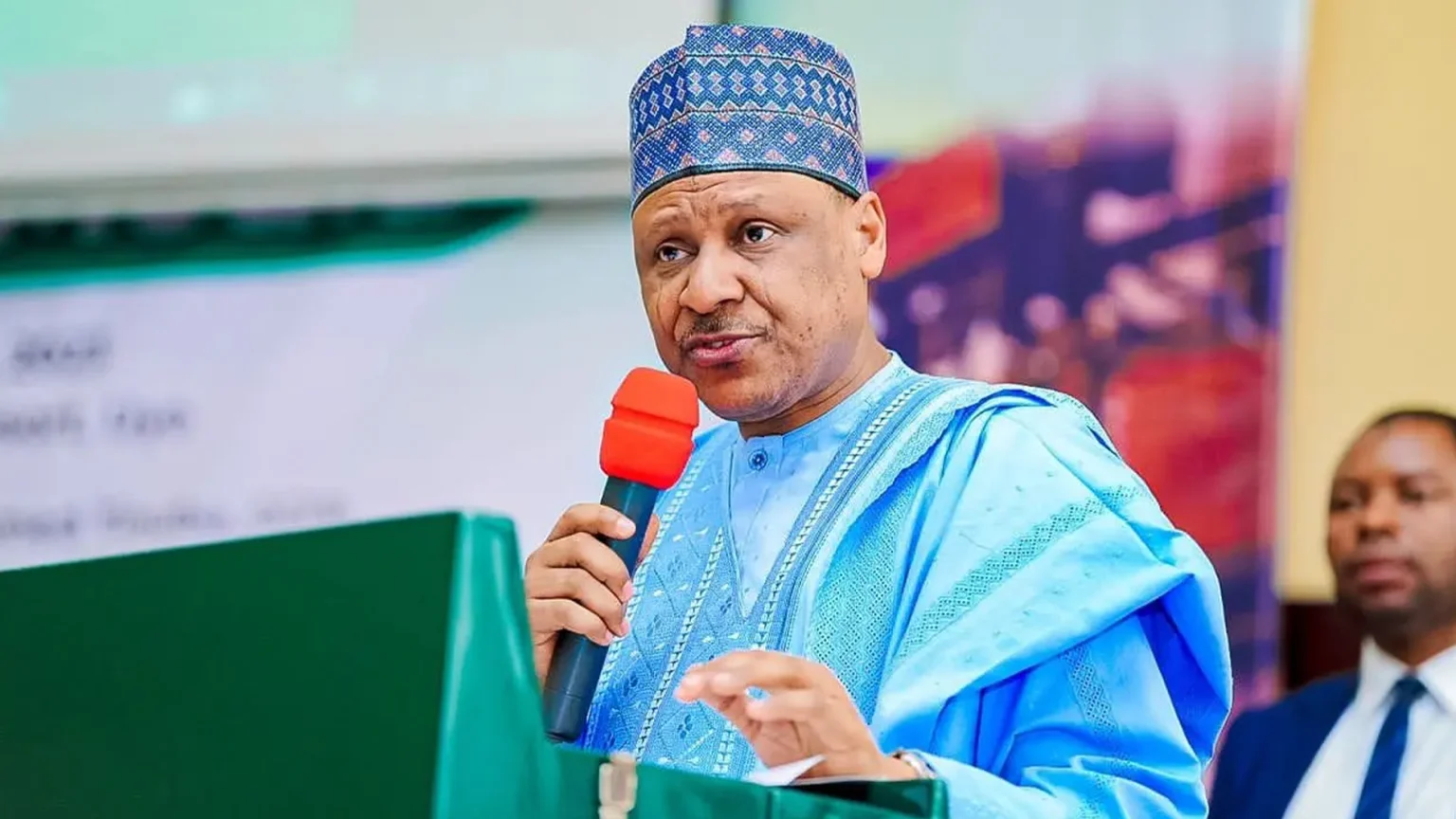
Minister of Information and National Orientation, Mohammed Idris, raised the alarm in an opinion article titled, “Restoring Fuel Subsidy Will Reverse Nigeria’s Economic Gains,” published in national newspapers on Monday, August 24, 2026.
Afrilensnews reports that the warning comes amid renewed debate over the economic impact of subsidy removal and growing concerns over the cost of living.
Idris maintained that bringing back the subsidy would recreate the fiscal distortions, fuel scarcity and arbitrage opportunities that made the previous arrangement unsustainable.
He said, “Restoring subsidy would almost instantly return Nigeria to the economic conditions of 2022, recreating the same fiscal pressures, distortions, scarcity and incentives for arbitrage that made the old system unsustainable.”
The minister recalled that Nigeria spent about $10 billion on fuel subsidies in 2022, even when crude oil production was falling and government revenues were under pressure. He further cited World Bank concerns that huge subsidy expenditure was diverting resources that could have been invested in education, healthcare, infrastructure and social protection.
According to Idris, figures contained in the Federal Government’s “Nigeria’s Reform Scorecard: The Benefits, Costs and Harms Prevented” show that subsidy savings mobilised about ₦15.8 trillion for the Federation between June 2023 and December 2025.
He said approximately ₦5.43 trillion accrued to the Federal Government, ₦6.52 trillion to states and ₦3.88 trillion to local governments. Idris, however, clarified that the ₦15.8 trillion should not be viewed as money sitting in a separate government account, but resources released within the wider fiscal system following subsidy removal.
The minister also highlighted the difficult choices that would confront the government if petrol subsidies were restored, questioning whether funds should be diverted from student loans, consumer credit, infrastructure, security, healthcare, education and social protection to finance cheaper petrol.
“Do we restore petrol subsidy, or sustain student loans and consumer credit for young Nigerians? Do we restore subsidy, or preserve higher allocations to states and local governments?” he asked.
He further noted that the government was already spending heavily on electricity subsidies, estimated at ₦3.14 trillion between June 2023 and December 2025, warning that another major subsidy burden could place additional pressure on public finances.
The debate comes against the backdrop of intense public dissatisfaction over the rising cost of living following the removal of petrol subsidy in 2023. While the Federal Government argues that the reform has strengthened revenues and improved fiscal capacity, critics maintain that Nigerians are still facing severe pressure from high transportation, food and household costs.
The possible return of petrol subsidy therefore carries significant economic and political consequences. While subsidy restoration could potentially reduce petrol costs for consumers in the short term, the government argues that it could also increase fiscal pressure, limit funds available for public services and revive the market distortions associated with the former subsidy regime.
Idris urged Nigerians to consider the long-term implications of reversing the reform, insisting that the government’s priority should be to consolidate the gains achieved rather than return to a system that placed a huge burden on public finances.
Source: Guardian Nigeria
