
BY CHIJIOKE. CHARLES
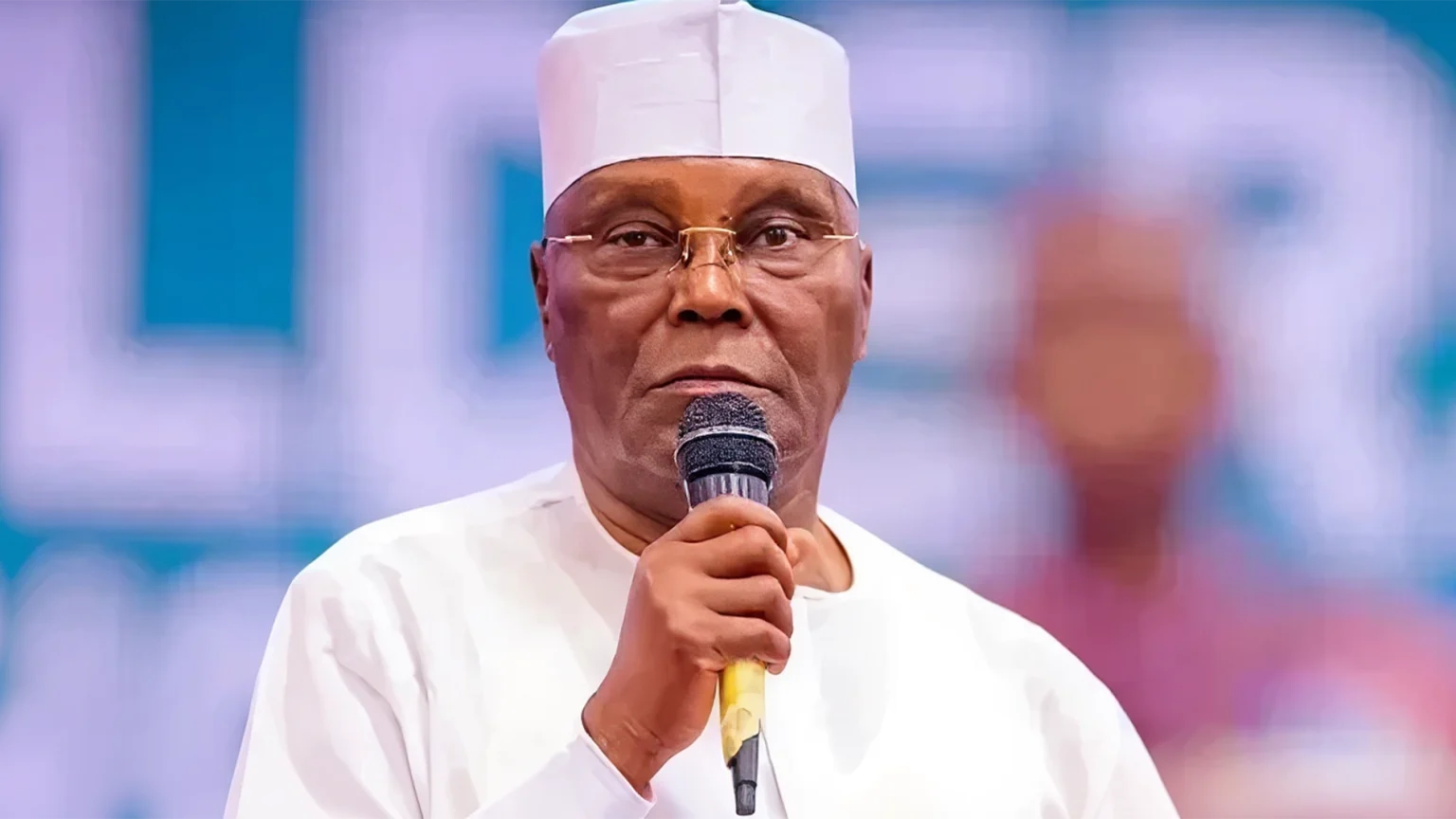
Former Vice President and African Democratic Congress (ADC) presidential candidate, Atiku Abubakar, has intensified pressure on President Bola Tinubu, demanding the establishment of a transparent, comprehensive and independent panel within seven days to investigate the alleged Presidential Foreign Intervention Promotion Council (PFIPC) scandal.
Afrilensnews reports that Atiku’s intervention shifts the controversy beyond allegations against an individual to what analysts see as a broader test of the Federal Government’s accountability, institutional oversight and the integrity of Nigeria’s budgeting and public service systems.
In a statement issued by his Senior Special Assistant on Public Communication, Phrank Shaibu, Atiku argued that the controversy had moved beyond claims of document forgery and impersonation, insisting that the real question is how a government agency allegedly operated through official structures despite the Presidency’s position that it never legally existed.
The former vice president faulted the explanation offered by the Presidency through the Special Adviser on Information and Strategy, Bayo Onanuga, saying it leaves fundamental institutional questions unanswered.
“If the government wants Nigerians to believe that one man single-handedly created an office for himself, secured office space within a government facility, held meetings with foreign embassy delegations, paid courtesy visits to the EFCC, processed staff salaries through official channels, allegedly operated institutional accounts, and carried on all these activities without the knowledge, approval, negligence or collaboration of anyone within government, then that narrative raises even more troubling questions than it answers.”
Atiku maintained that even if Adeniyi Adeyemi is found culpable, the matter cannot end with prosecuting one individual without examining the government systems that allegedly enabled the operation.
“What kind of government system allows such an elaborate operation to pass through budgetary, administrative, security and institutional channels without detection? Nigerians cannot be asked to swallow such a story whole.”
He argued that reports indicating the agency occupied government offices, interacted with ministries and foreign missions, received budgetary allocations and operated official financial channels suggest possible institutional failures rather than isolated misconduct.
Atiku also referenced reports that the Presidential Foreign Intervention Promotion Council (PFIPC) appeared in the 2026 Appropriation Act with a multi-billion-naira allocation and that the Office of the Head of the Civil Service of the Federation allegedly approved the recruitment of more than 300 personnel.
According to him, these developments raise serious governance questions because federal budgeting and recruitment involve multiple layers of scrutiny and approvals.
“Budget preparation is a structured process involving ministries, departments and agencies, the Budget Office, the National Assembly and ultimately presidential assent. Recruitment into the Federal Civil Service also follows established procedures. These things do not happen by accident.”
He further argued that Adeyemi’s public denial of the allegations and claims that influential individuals are attempting to silence him reinforce the need for an independent investigation rather than political explanations.
“Whether his claims are true or false is not for the Presidency to determine through press statements. That is precisely why Nigeria needs an independent
investigation. Let the facts speak. Let every document be examined. Let every approval be traced. Let every official who acted, neglected a duty or enabled this scandal be identified and held accountable.”
Atiku said the controversy now directly affects public confidence in Nigeria’s budgeting process, the credibility of the Federal Civil Service, institutional checks and balances, and the Presidency’s ability to account for actions carried out in its name.
He urged President Tinubu to immediately constitute an independent panel, warning that failure to do so would deepen public distrust and strengthen perceptions that powerful interests may be shielding those involved.
Beyond the political exchanges, the PFIPC controversy has evolved into a governance issue with implications for institutional accountability. If investigations establish that a non-existent agency passed through official budgetary, recruitment and administrative channels, it could expose systemic weaknesses in Nigeria’s public administration and trigger reforms across government institutions.
Conversely, if the allegations are disproved, an independent probe could help restore public confidence by providing a transparent account of what transpired. Either outcome is likely to shape public perception of the Tinubu administration’s commitment to transparency and accountability.
