
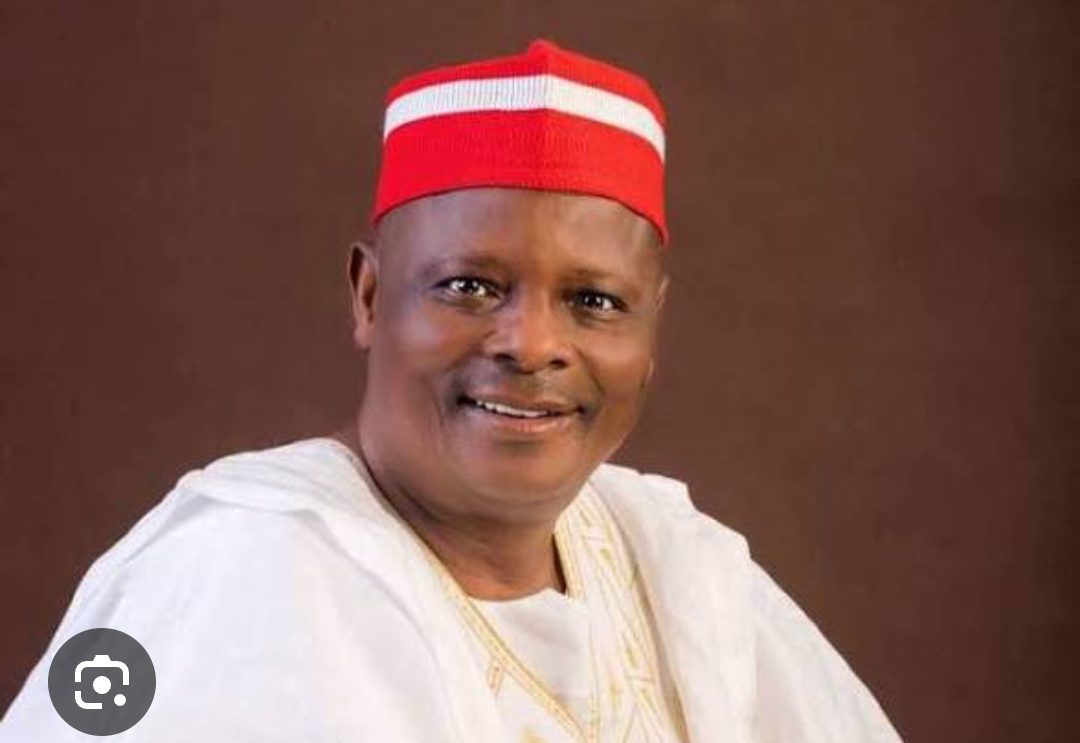
The decision by Rabiu Musa Kwankwaso to reportedly align behind Peter Obi within the emerging Nigeria Democratic Congress (NDC) coalition has triggered widespread debate among political analysts, commentators and Nigerians following the party’s dramatic convention in Abuja on Friday.
At the convention, the NDC officially backed Southern presidency for the 2027 election and endorsed a single four-year term arrangement, a move widely interpreted as paving the way for Obi to emerge as the party’s presidential candidate while positioning Kwankwaso for the vice-presidential slot.
The development has since generated intense reactions across the political space, with many analysts describing the arrangement as one of the most strategic calculations ahead of the 2027 general election.
Political commentator Jide Ojo said the emerging alliance reflects “a realistic understanding of Nigeria’s power rotation politics,” arguing that Kwankwaso may have prioritised long-term political relevance over immediate presidential ambition.
Similarly, public affairs analyst Mahmud Jega noted that the arrangement could provide the opposition with “its strongest electoral combination in years,” especially if both leaders succeed in harmonising their regional support bases.
Analysts believe the calculation favours Obi in 2027 while potentially positioning Kwankwaso for a presidential run in 2031 under the North-South rotation formula adopted by the party.
“This is a masterstroke political arrangement if it survives internal rivalry,” Lagos-based political analyst Kelly Agaba said during a television discussion monitored on Friday. “Obi brings Southern and youth appeal, while Kwankwaso controls one of the most loyal political structures in Northern Nigeria.”
Observers say Kwankwaso’s Kwankwasiyya movement remains a major political force in Kano and parts of the North-West, while Obi continues to enjoy significant support among urban voters and younger Nigerians.
Reuters, in an earlier report on opposition realignments, had noted that fragmentation among opposition figures weakened attempts to challenge the ruling APC in 2023, a scenario many believe Obi and Kwankwaso are now trying to avoid through coalition politics.
Political reports also suggest lingering disputes within the ADC coalition contributed to the shift toward the NDC platform, amid concerns over zoning uncertainty and internal power struggles.
Reactions among Nigerians have remained divided. Supporters of the alliance described it as “strategic,” “calculative” and “the strongest opposition formula capable of challenging APC in 2027.”
However, critics argued that some loyalists within the Kwankwasiyya movement may resist a vice-presidential arrangement for Kwankwaso’s VP Strategy Under Obi Sparks Political Debate After NDC Convention
The decision by Rabiu Musa Kwankwaso to reportedly align behind Peter Obi within the emerging Nigeria Democratic Congress (NDC) coalition has triggered widespread debate among political analysts, commentators and Nigerians following the party’s dramatic convention in Abuja on Friday.
At the convention, the NDC officially backed Southern presidency for the 2027 election and endorsed a single four-year term arrangement, a move widely interpreted as paving the way for Obi to emerge as the party’s presidential candidate while positioning Kwankwaso for the vice-presidential slot.
The development has since generated intense reactions across the political space, with many analysts describing the arrangement as one of the most strategic calculations ahead of the 2027 general election.
Political commentator Jide Ojo said the emerging alliance reflects “a realistic understanding of Nigeria’s power rotation politics,” arguing that Kwankwaso may have prioritised long-term political relevance over immediate presidential ambition.
Similarly, public affairs analyst Mahmud Jega noted that the arrangement could provide the opposition with “its strongest electoral combination in years,” especially if both leaders succeed in harmonising their regional support bases.
Analysts believe the calculation favours Obi in 2027 while potentially positioning Kwankwaso for a presidential run in 2031 under the North-South rotation formula adopted by the party.
“This is a masterstroke political arrangement if it survives internal rivalry,” Lagos-based political analyst Kelly Agaba said during a television discussion monitored on Friday. “Obi brings Southern and youth appeal, while Kwankwaso controls one of the most loyal political structures in Northern Nigeria.”
Observers say Kwankwaso’s
Kwankwasiyya movement remains a major political force in Kano and parts of the North-West, while Obi continues to enjoy significant support among urban voters and younger Nigerians.
Reuters, in an earlier report on opposition realignments, had noted that fragmentation among opposition figures weakened attempts to challenge the ruling APC in 2023, a scenario many believe Obi and Kwankwaso are now trying to avoid through coalition politics.
Political reports also suggest lingering disputes within the ADC coalition contributed to the shift toward the NDC platform, amid concerns over zoning uncertainty and internal power struggles.
Reactions among Nigerians have remained divided. Supporters of the alliance described it as “strategic,” “calculative” and “the strongest opposition formula capable of challenging APC in 2027.”
However, critics argued that some loyalists within the Kwankwasiyya movement may resist a vice-presidential arrangement for Kwankwaso, insisting he should only contest as president.
Despite the skepticism, many commentators believe Friday’s NDC convention may have significantly reshaped the opposition landscape ahead of the 2027 election.
