
By CHARLES CHIJIOKE
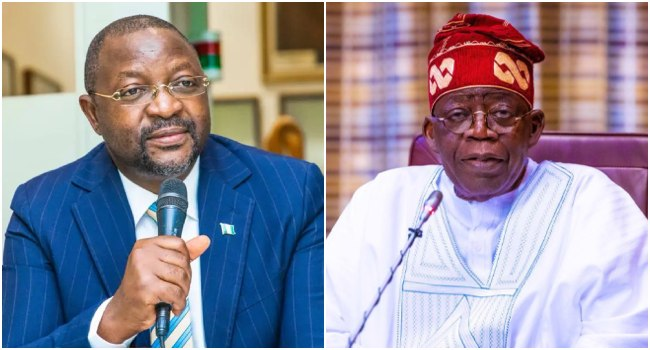
Presidential spokesman Sunday Dare has strongly defended the sweeping economic reforms introduced by President Bola Ahmed Tinubu, insisting that the administration’s policies are already repositioning Nigeria for long-term stability despite widespread hardship and public criticism.
Speaking at a Northern Stakeholders Town Hall engagement in Kaduna on Saturday, Dare described the reforms as “difficult but necessary” decisions aimed at preventing economic collapse and restoring confidence in the Nigerian economy.
The event, organised by supporters of the president under the umbrella of the Tinubu Door-to-Door Movement, also witnessed renewed endorsements for Tinubu’s anticipated 2027 re-election bid.
According to Dare, the removal of fuel subsidy and the unification of the foreign exchange market were critical interventions designed to address fiscal leakages, stabilise public finances and attract investment into the country.
He argued that while Nigerians initially faced painful consequences from the reforms, signs of recovery were beginning to emerge across key sectors of the economy.
“The reforms are already yielding positive outcomes despite the initial hardships experienced by Nigerians,” Dare said, maintaining that the administration remained committed to sustaining policies capable of delivering long-term growth and economic stability.
The town hall meeting brought together political stakeholders, policy experts and grassroots mobilisers from northern Nigeria, with discussions centred on governance, economic reforms and national development ahead of the next election cycle.
National Coordinator of the PBAT Door-to-Door Movement, Sunday Adekanbi, said the engagement was designed to bridge the gap between government and citizens by creating a platform for direct interaction and policy feedback.
Also speaking at the event, Professor Solomon Gushibet of the National Institute for Policy and Strategic Studies (NIPSS), Kuru, reportedly examined the long-term economic implications of the federal government’s reform agenda, particularly its impact on national growth and fiscal sustainability.
Representing Kaduna State Governor Uba Sani, the state Commissioner for Information and Culture, Ahmed Maiyaki, linked the gradual improvement in security across parts of Kaduna to deliberate governance and security measures implemented by the state government.
Maiyaki also argued that subsidy removal had increased financial capacity for subnational governments, enabling states to execute more projects and improve service delivery.
The latest defence of Tinubu’s reforms comes amid persistent public concerns over inflation, rising food prices, transport costs and declining purchasing power following the removal of petrol subsidy and naira reforms introduced shortly after the president assumed office in 2023.
However, supporters of the administration insist the policies were unavoidable after years of mounting debt, subsidy payments and pressure on foreign reserves under previous governments.
Political observers believe the renewed public engagements and endorsements from pro-Tinubu groups signal an early attempt by allies of the president to consolidate northern support ahead of the 2027 general elections.
Organisers disclosed that similar stakeholder engagements would be held across other regions of the country in the coming months as part of efforts to deepen public engagement and sustain support for the administration’s policies.
Source: Channels Television�
