
BY CHIJIOKE CHARLES
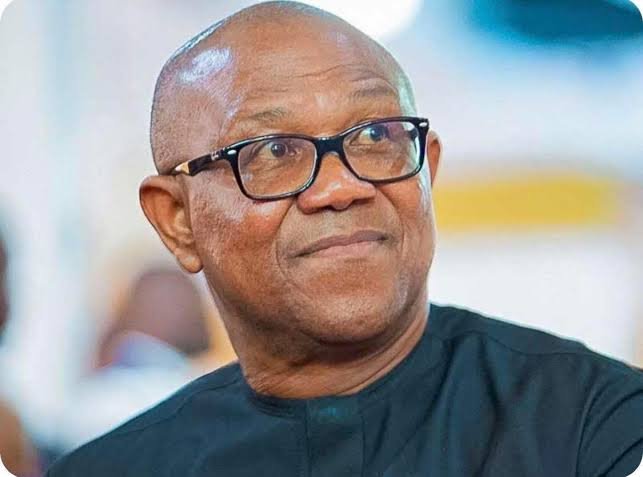
The presidential candidate of the Nigeria Democratic Congress (NDC), Peter Obi, has unveiled what he described as his vision for building a productive and prosperous Nigeria, promising sweeping reforms in education, healthcare, human capital development and industrialisation if elected president.
In a statement released on Tuesday to mark July 1, 2026, Obi said his administration would pursue policies aimed at tackling abuse in government, improving the quality of life of Nigerians and fostering national unity, peace and sustainable economic growth.
Afrilensnews reports that the former Anambra State governor said the policy direction would be unveiled in greater detail in the coming weeks and months, stressing that it is founded on unity, inclusion, social justice, equity and the freedom of every Nigerian to pursue lawful aspirations.
“I pledged to place Nigeria on the path of unity and national transformation. Now, as the Nigeria Democratic Congress (NDC) candidate, I will, in the coming weeks and months, provide insights into the roadmap that I am confident will help curb abuse in government, halt the decline in the quality of life of Nigerians at all levels, and usher in an era of unity, peace, sustained progress, and prosperity,” Obi stated.
He explained that education and healthcare would form the cornerstone of his administration’s human capital agenda, describing a well-developed population as the foundation for economic expansion, improved public services and national development.
According to him, one of the first actions of his government would be the establishment of a special task force to drastically reduce the number of out-of-school children across the country.
Obi also promised to strengthen Technical and Vocational Education and Training (TVET), saying the programme would support Nigeria’s industrialisation drive through agriculture, value addition and the establishment of industrial parks across the country’s geopolitical zones.
He noted that funding and equipping TVET institutions through partnerships involving government, the private sector and faith-based educational organisations would expand apprenticeship opportunities, drawing inspiration from Germany’s dual education model.
“The situation in which unemployment remains high while Nigerian entrepreneurs establish businesses elsewhere because skilled labour is scarce must be confronted decisively. Doing so is essential for the common good and for facilitating our transition from a consumption-driven economy to a production-driven one,” he said.
Obi further pledged to prioritise character and civic education to promote trust, responsible leadership and shared national values, arguing that these qualities are critical for enterprise, governance and national cohesion.
“This vision is anchored on a commitment to unity, inclusion, social justice, equity, and the freedom of every citizen to pursue lawful dreams,” he added.
The latest policy outline comes as political activities ahead of the 2027 general elections continue to gather momentum, with aspirants presenting policy alternatives on economic recovery, education, healthcare, security and governance.
If implemented, Obi’s proposals could reshape Nigeria’s education and skills development sector, reduce youth unemployment, boost local manufacturing and strengthen human capital development. However, analysts say achieving the ambitious agenda would depend on sustained funding, effective implementation, policy continuity and strong collaboration between the federal government, state governments and the private sector.
