
BY MARTINS EZE
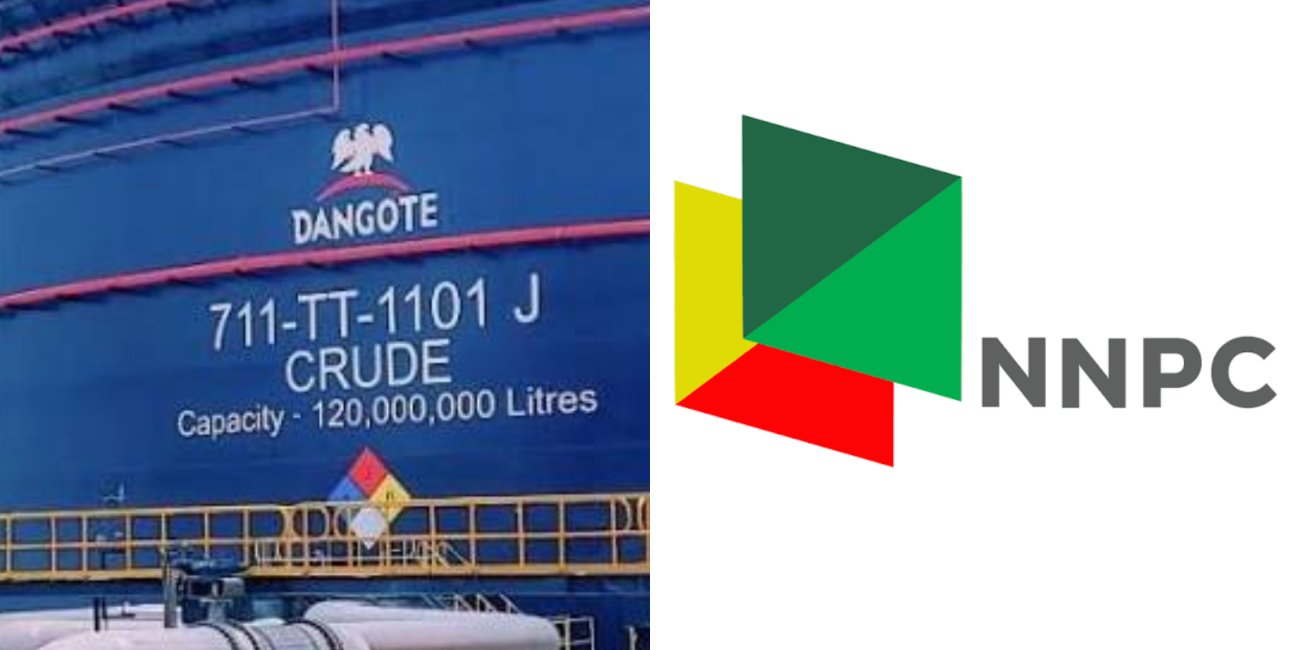
The Nigerian National Petroleum Company Limited (NNPCL) has told the Federal High Court sitting in Lagos that petroleum products supplied by the Dangote Petroleum Refinery and Petrochemicals FZE are sold at “significantly high and fluctuating market prices,” raising concerns that granting the refinery’s requests could create a dominant market position capable of reshaping Nigeria’s downstream petroleum industry.
According to court submissions by NNPCL, the state-owned energy company argued that approving the reliefs sought by the refinery may hand excessive control of the petroleum supply chain to a single player, potentially undermining competition within the sector.
The company warned that such a development could alter the balance of Nigeria’s deregulated fuel market and expose consumers and marketers to broader market risks.
The legal dispute is unfolding amid growing tensions within Nigeria’s petroleum industry following the operational rollout of the Dangote Refinery, which has been positioned as a major solution to the country’s longstanding dependence on imported fuel and foreign exchange pressures.
NNPCL maintained before the court that products from Dangote are being sold at “significantly high and fluctuating market prices,” suggesting that the refinery’s pricing structure remains a concern in the evolving market environment.
The latest court position adds another layer to the complex relationship between NNPCL and Dangote Refinery. Since the commencement of local refining operations, debates have persisted over pricing mechanisms, crude supply arrangements, market access, and the future structure of Nigeria’s downstream sector.
Industry analysts say the case could carry significant implications beyond the immediate legal arguments. A ruling favouring Dangote’s requests could strengthen the company’s influence over fuel supply and distribution channels, while a decision aligning with NNPCL’s concerns may reinforce regulatory checks aimed at preventing market concentration.
Observers also note that the outcome could affect fuel pricing dynamics, competition among independent marketers, investor confidence, and broader efforts to reform Nigeria’s petroleum industry under the post-subsidy era.
The case continues at the Federal High Court in Lagos.
