

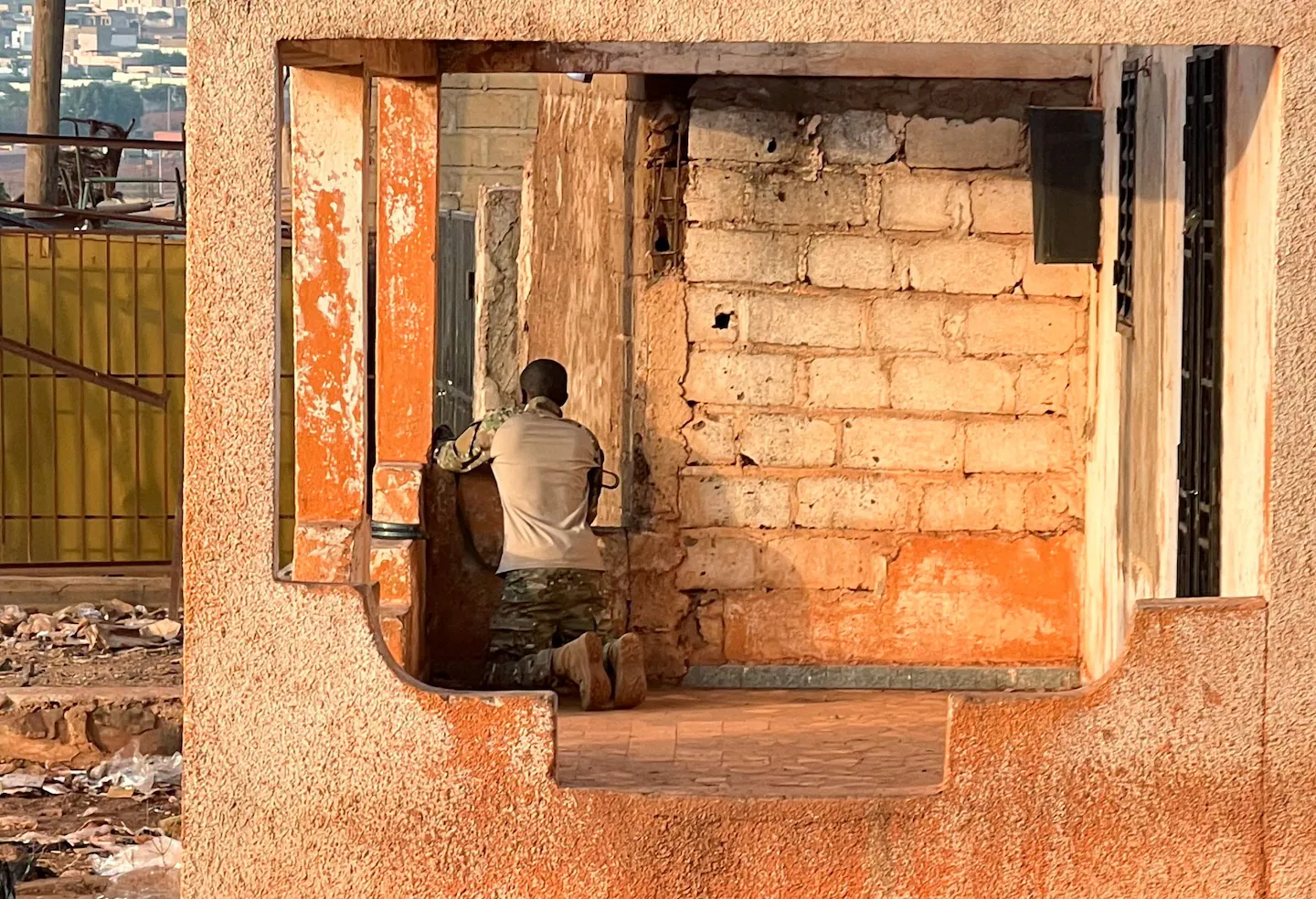
Islamist fighters linked to Jama’at Nusrat al-Islam wal-Muslimin unleashed a wave of coordinated attacks across Mali on Saturday, in what analysts are calling the most significant offensive since insurgents seized large parts of the country more than a decade ago.
The sweeping assault, described as “unprecedented,” targeted multiple locations simultaneously, underscoring the growing reach and coordination of militant networks operating in the Sahel. Security sources and analysts say the scale and timing of the strikes point to a highly organized campaign aimed at overwhelming state defenses.
The attacks echo the chaos of 2012, when extremist groups briefly took control of northern Mali, and highlight the persistent instability that continues to grip the country despite years of military interventions and political upheaval.
Images from the scene showed Malian soldiers on high alert, weapons in hand, as authorities scrambled to respond to the fast-moving crisis. Details on casualties and the full extent of the damage were still emerging, but early indications suggest widespread disruption.
Experts warn that the operation signals a dangerous escalation, with militant groups demonstrating renewed strength and ambition. The latest violence raises fresh concerns about the security trajectory of Mali and the broader West African region, where jihadist insurgencies have steadily expanded.
“This is a level of coordination we haven’t seen in years,” one analyst noted, pointing to the sophistication of the attacks and their nationwide spread.
As the situation unfolds, attention is turning to how Mali’s authorities—and their international partners—will respond to a threat that appears to be evolving faster than efforts to contain it.
