

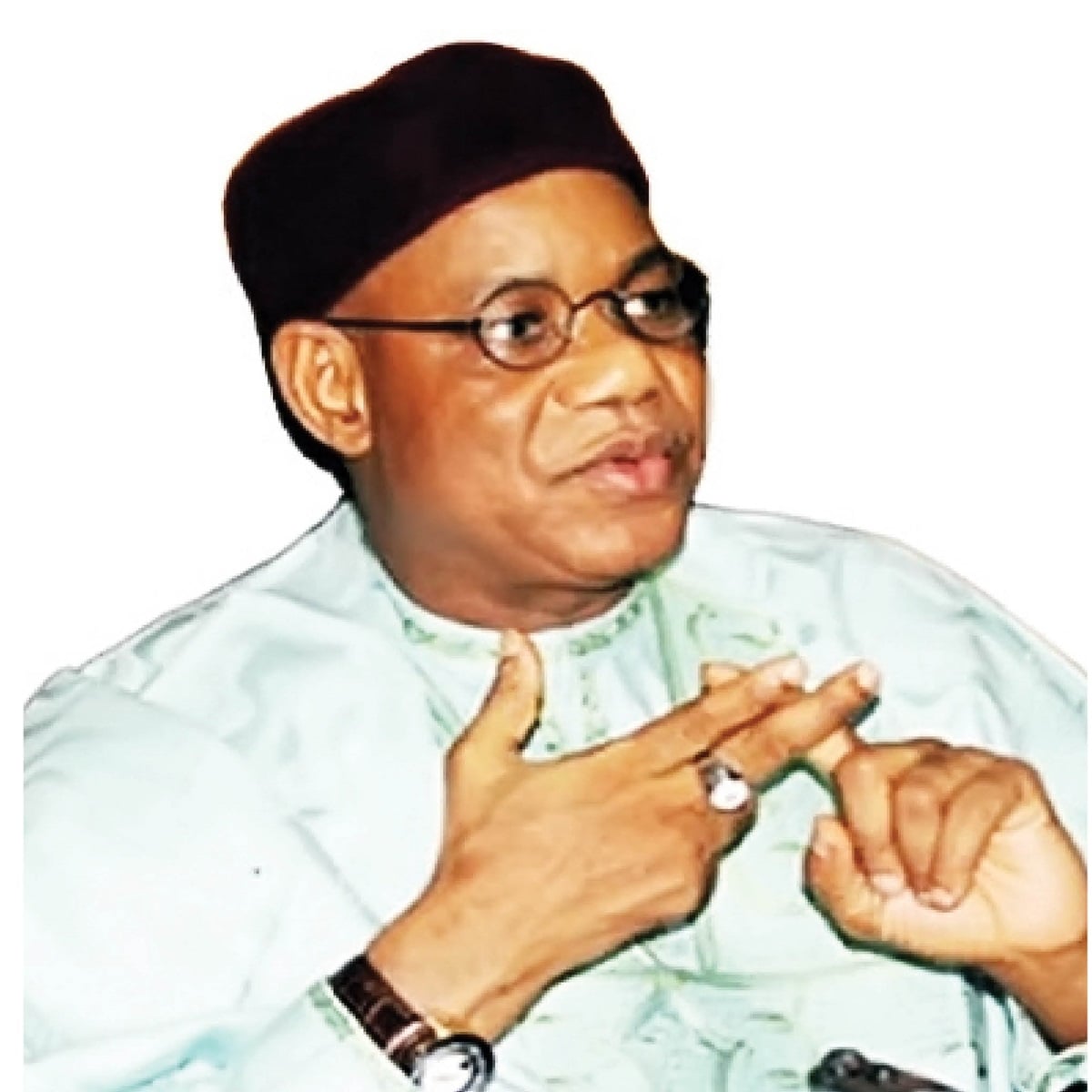
A chieftain of the All Progressives Congress, Professor Rufai Ahmed Alkali, has stirred fresh debate ahead of the 2027 elections, declaring that the North carries a “moral burden” to support President Bola Ahmed Tinubu’s re-election bid.
Speaking in an interview, Alkali argued that Tinubu’s long-standing political alliances and support for northern candidates over the years have created what he described as an obligation that cannot be ignored.
“There is no doubt that in all political processes… politics carries an element of uncertainty,” he said, noting that speculation and behind-the-scenes maneuvering are normal features of democratic contests.
He stressed that the ruling party has effectively settled its position on Tinubu as its flagbearer, adding that attention will now shift to opposition parties. “At the moment… the APC… is fielding President Bola Ahmed Tinubu as its candidate for the 2027 elections. That is not in dispute.”
Alkali pointed to Tinubu’s political history, highlighting how he backed several northern figures in past elections instead of pursuing personal ambition. According to him, “On four consecutive occasions, he supported the people from the North… At least, this shows that we have a debt to pay.”
He insisted that supporting Tinubu aligns with Nigeria’s informal zoning principle and could help stabilise the political system. “Re-electing President Bola Ahmed Tinubu in 2027 presents a moral burden to the North… I think after Tinubu’s second term, it can come back to the North.”
Drawing from past political transitions, he referenced the tensions that followed the death of Umaru Musa Yar’Adua and the succession of Goodluck Jonathan, arguing that constitutional order must always prevail over political arrangements. “Whenever the constitution collides with any law… the constitution of Nigeria supersedes.”
Despite acknowledging potential resistance and public concerns, Alkali maintained that Tinubu currently holds a strong advantage. “The chances favour him… It’s not only the incumbency factor, the fact is the party itself is organised.”
He also revealed plans for a nationwide mobilisation campaign to rally support for the president, though details remain under wraps. “We are still at the stage of consultations… we don’t want to leave anybody behind.”
On his own political journey—from the Peoples Democratic Party to the New Nigeria Peoples Party and now APC—Alkali described his moves as strategic decisions driven by national interest rather than personal gain.
Addressing the crisis in the NNPP and the eventual defection of Abba Kabir Yusuf, he said internal conflicts made the party unsustainable. “There is no way you have a political party and you have another tendency that will supersede… the party is the one that is on the ballot.”
He added that Yusuf likely “read the writing on the wall,” concluding that remaining in a divided structure could jeopardize his political future.
As political realignments continue ahead of 2027, Alkali’s comments are expected to intensify conversations around zoning, loyalty, and the balance of power between Nigeria’s North and South.
