
BY. CHIJIOKE CHARLES
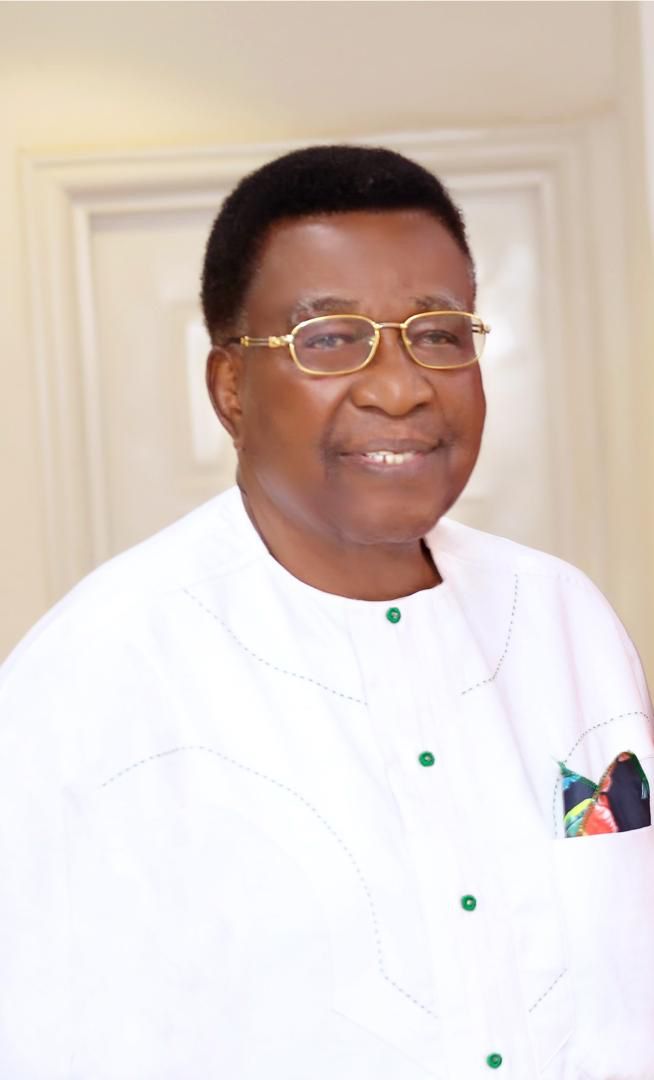
The Enugu State Government has joined family, associates, and political leaders across Nigeria in celebrating elder statesman and former governor of the old Anambra State, Senator Jim Nwobodo, on his 86th birthday, describing him as a “bridge builder” whose influence continues to shape governance and public service decades after leaving office.
In a goodwill message, the government praised Nwobodo’s long-standing contributions to political development and regional integration, noting that his years in leadership remain a reference point for visionary governance in the South-East and beyond.
“Distinguished Senator Jim Nwobodo is one of those uncommon icons whose life’s impact speaks louder than words ever can,” the statement read. “At 86, his journey remains a constant reminder that leadership and service are not defined by a season, but by a lifetime of dedication to people and society.”
The tribute further highlighted what it described as the “enduring imprint” of his administration across present-day Enugu, Anambra, and parts of Ebonyi States, stressing that infrastructural and institutional foundations laid during his tenure continue to be referenced in contemporary governance discourse.
“We are proud to continue building on foundations laid by leaders like him,” the message added, reaffirming respect for his legacy and sustained relevance in public life.
Political observers note that such tributes underscore Nwobodo’s rare standing as one of the surviving figures of Nigeria’s Second Republic political elite, whose influence transcends partisan lines and continues to resonate in modern statecraft debates in the South-East.
Analysts also suggest that renewed public recognition of elder statesmen like Nwobodo reflects a broader attempt to reconnect contemporary governance with historical leadership benchmarks, especially at a time of heightened scrutiny of political accountability and development outcomes.
As he marks 86 years, messages of goodwill have continued to pour in, with many describing him as a symbol of resilience, continuity, and institutional memory in Nigeria’s evolving political landscape.
