
By CHARLES CHIJIOKE
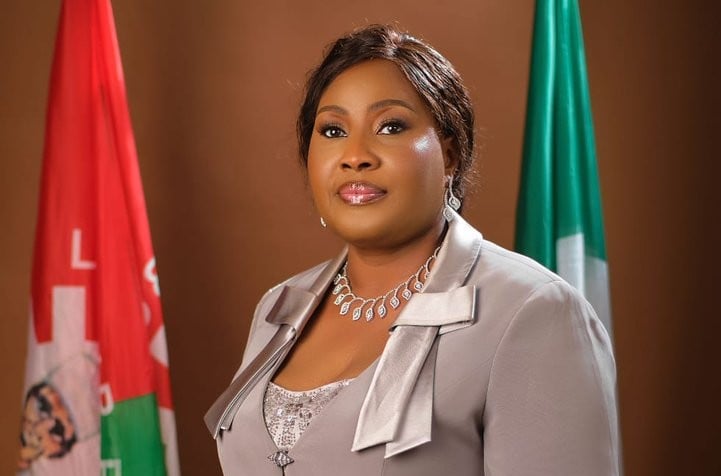
Supporters of Peter Obi have called for the resignation of Dayo Ekong as south-west chairperson of the Nigeria Democratic Congress, citing allegations that her past actions in the Labour Party undermined Obi’s position during the party’s internal crisis.
Ekong, who previously served as Lagos chairperson under the faction led by Julius Abure, exited the Labour Party in April alongside other figures amid prolonged leadership disputes. She later joined the NDC and was appointed one of its national vice-chairpersons representing the south-west.
Her appointment has now stirred backlash, particularly following the recent entry of Obi and Rabiu Musa Kwankwaso into the NDC, a development seen as a major realignment within Nigeria’s opposition politics ahead of future elections.
In a post welcoming new members, Ekong described the movement as “transformative,” urging unity and collective resolve to “rebuild” the country.
However, several Obi supporters on social media rejected her leadership role, alleging she had previously acted against Obi’s interests within the Labour Party.
One critic wrote, “Pastor Mrs. Dayo Ekong must resign immediately as chairman of the NDC southwest. Her past actions are not opinions — they are documented facts. It was her public statements and manoeuvres that complicated Peter Obi’s position in the Labour Party, ultimately contributing to his exit.”
Another added, “Madam, are you the same woman that worked with Abure and sold our mandate to the highest bidder? If yes, please pack your load and leave this party… Your antecedents do not align with our vision for a better Nigeria.”
Others warned that retaining Ekong in a strategic regional role could undermine trust within the party and risk repeating internal fractures that weakened the Labour Party after the 2023 elections.
The controversy highlights lingering tensions carried over from the Labour Party’s factional crisis and underscores the challenges facing the NDC as it attempts to consolidate a broad opposition coalition. With high-profile figures like Obi and Kwankwaso newly onboard, internal cohesion and credibility are likely to be critical in determining the party’s viability as a political force.
If unresolved, the dispute could deepen mistrust among grassroots supporters, complicate mobilisation efforts in the south-west, and weaken the NDC’s emerging position as a unifying platform for opposition politics in Nigeria.
