
By CHARLES CHIJIOKE
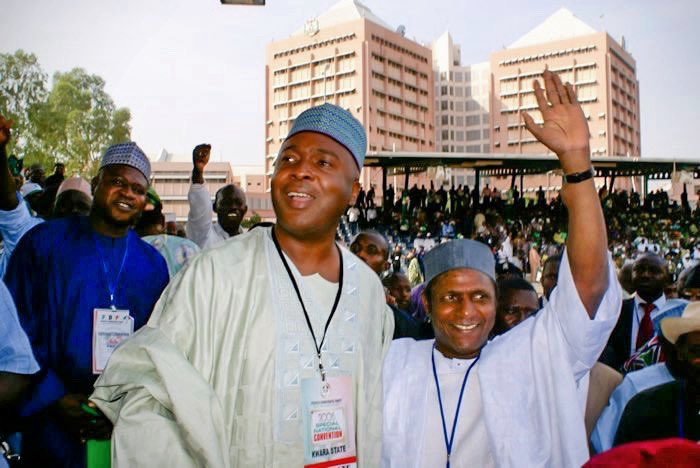
Former Senate President Bukola Saraki has honoured the memory of late President Umaru Musa Yar’Adua, describing him as a symbol of integrity and selfless leadership, sixteen years after his passing.
In a reflective message marking the anniversary, Saraki expressed both national and personal loss, emphasizing the enduring affection many Nigerians still hold for the late leader. “Sixteen years have passed since we lost President Umaru Musa Yar’Adua, and it says a lot that, wherever you go, Nigerians still speak of him with such love and nostalgia. We lost a patriot, and I lost a dear brother,” he said.
Saraki highlighted Yar’Adua’s leadership qualities, noting that his style of governance continues to serve as a benchmark for public office holders. “He was a man of integrity and humility, deeply committed to peace and the well-being of everyday Nigerians. His approach to leadership continues to remind us of what true service to the nation should look like,” he added.
The former Senate President also offered prayers for the repose of Yar’Adua’s soul, in line with Islamic traditions. “As we remember the late President Umaru Musa Yar’Adua today, I pray that Almighty Allah (SWT) continues to grant him a place among the righteous in Aljannah Firdaus. Ameen.”
Yar’Adua, who governed Nigeria between 2007 and 2010, is widely regarded for his reform-oriented agenda, including efforts to improve electoral credibility and his administration’s amnesty programme in the Niger Delta. His tenure, though cut short by illness, left a lasting impression on Nigeria’s political landscape.
Saraki’s tribute adds to a growing chorus of voices reflecting on the late president’s legacy, at a time when questions around governance, accountability, and leadership standards remain central to national discourse.
Analysts suggest that such renewed reflections could heighten public demand for leaders who embody transparency, humility, and a people-first approach in addressing Nigeria’s ongoing socio-economic challenges.
