
By CHARLES CHIJIOKE
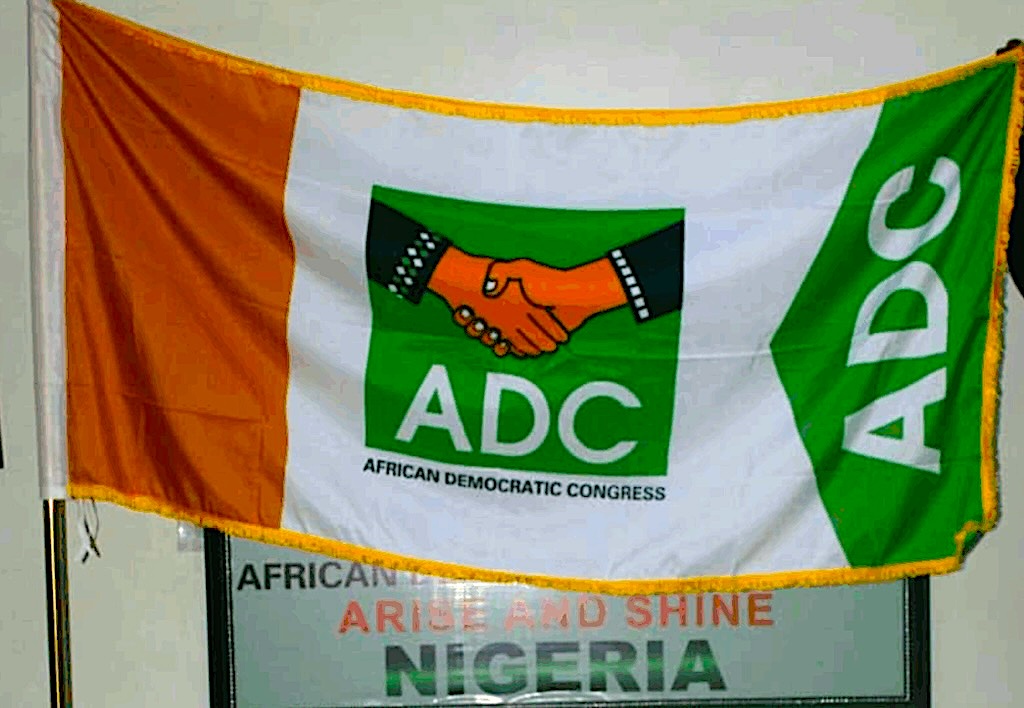
The African Democratic Congress (ADC) has admitted that the departure of two of its most prominent figures, Peter Obi and Rabiu Musa Kwankwaso, is a significant setback but insists it does not pose an existential threat to the party ahead of the 2027 general election.
Speaking during an interview on Arise Television on Monday, the party’s National Publicity Secretary, Bolaji Abdullahi, acknowledged the weight of the defections but maintained that the ADC remains resilient and capable of rebounding.
“I will be lying to say it didn’t mean anything. These are two significant politicians… When you lose those two politicians, then you will feel that you’ve lost something. But it’s not a mortal blow,” Mr Abdullahi said.
Mr Obi and Mr Kwankwaso, who placed third and fourth respectively in the last presidential election, formally exited the ADC on Sunday to join the Nigeria Democratic Congress (NDC), a move that has triggered fresh concerns about cracks within the opposition bloc seeking to challenge President Bola Ahmed Tinubu of the All Progressives Congress (APC) in 2027.
Before the defections, the ADC had served as a convergence platform for key opposition leaders, including former Vice President Atiku Abubakar, in what many analysts viewed as an emerging coalition to confront the ruling party.
Explaining his decision to leave, Mr Obi pointed to lingering legal disputes and internal uncertainties within the ADC. However, Mr Abdullahi downplayed the concerns, describing the party’s legal challenges as overstated and largely inconsequential.
He said only three cases are currently pending against the party and characterised them as “flimsy,” noting that one had effectively been resolved following a Supreme Court position that internal party leadership issues are not justiciable.
Addressing claims that the party risks deregistration for failing to secure electoral victories, the ADC spokesman dismissed the argument as flawed.
He clarified that the party did win a seat in the House of Representatives through Leke Abejide, although the lawmaker has since defected.
Mr Abdullahi further stressed that the broader opposition coalition was formed in response to what its leaders perceive as a deteriorating political and economic climate, arguing that unity remains the only viable pathway to electoral success.
“There was a consensus among us that the direction the country is going to be quite precarious, and the only way we can win the election… is to build a party that is formidable enough to beat the incumbent,” he added.
The exit of Mr Obi and Mr Kwankwaso is expected to reshape opposition dynamics ahead of 2027, potentially strengthening the NDC while forcing the ADC to rebuild its alliances and grassroots appeal.
Political observers say the development could either fragment the opposition further or trigger new realignments, depending on how both parties consolidate their positions in the coming months.
